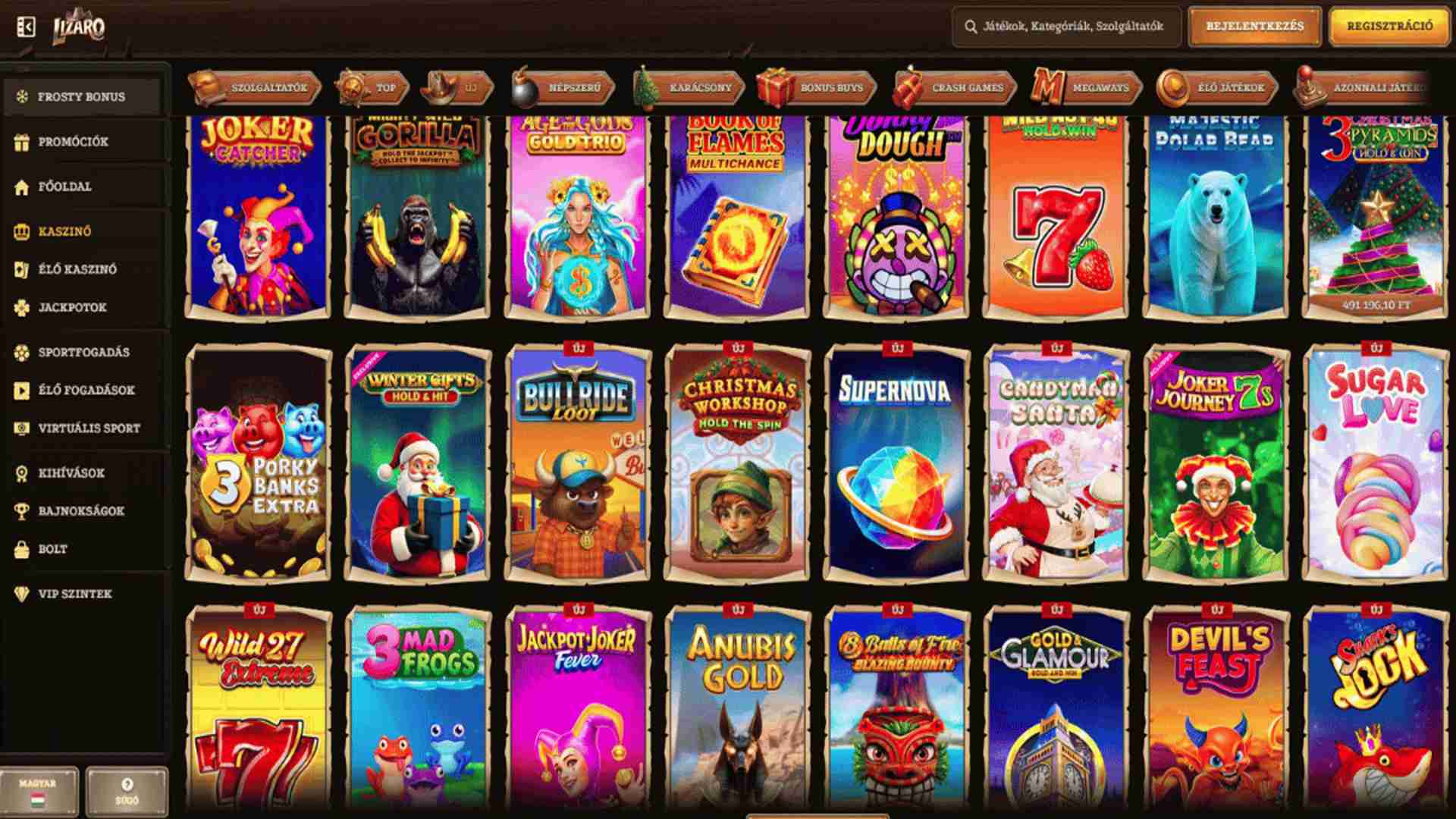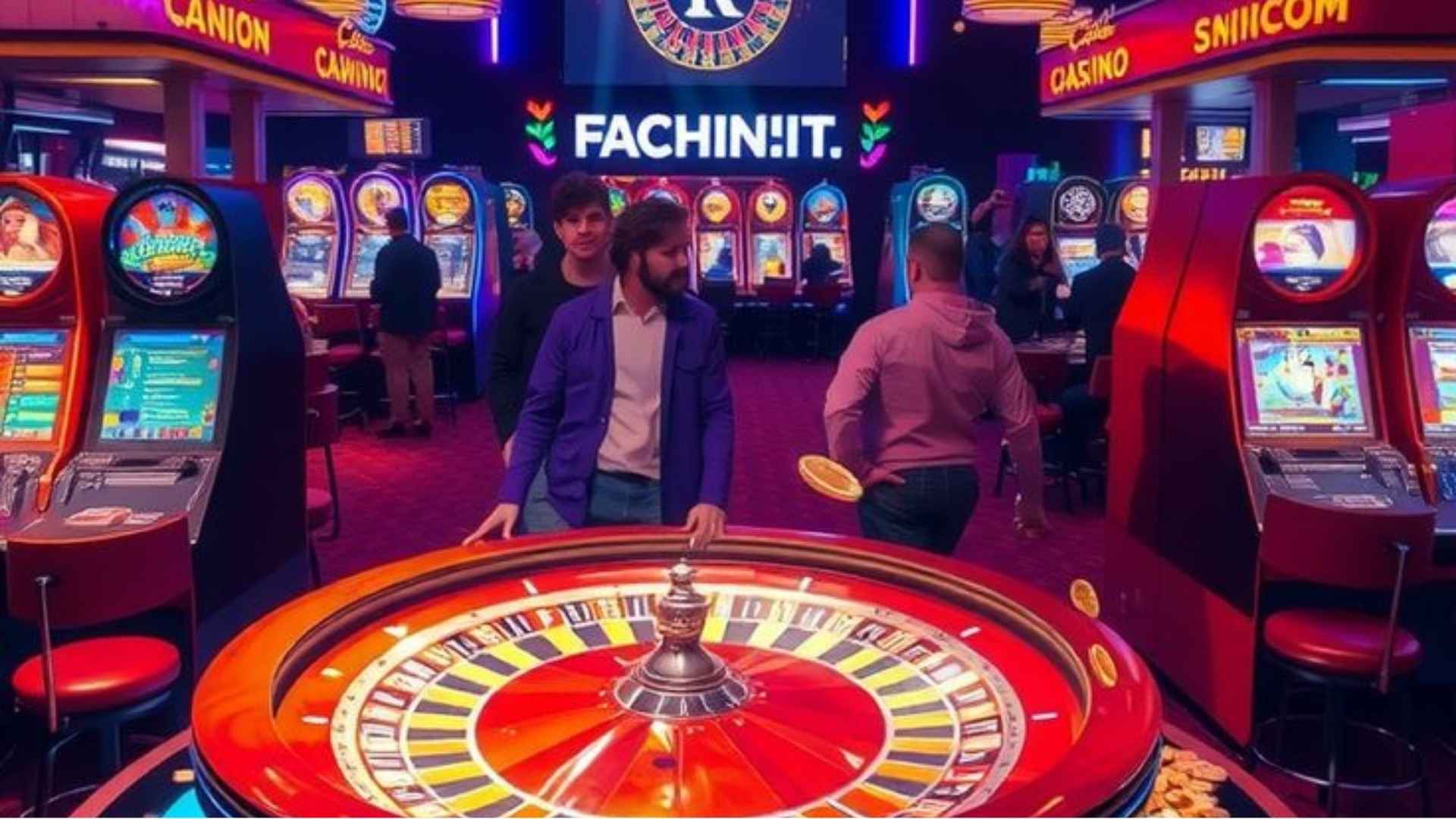
The landscape of casual entertainment has witnessed a fascinating transformation as traditional concepts evolve to meet modern digital expectations. Among these, the classic lucky wheel has emerged from old-school carnival fields into the centerpiece of various interactive digital platforms. Its core appeal remains firmly rooted in the simple mechanics of spinning, which continuously draws in a massive global audience seeking immediate engagement.
The Digital Transition of Classic Mechanics
As traditional media interfaces shifted toward digital ecosystems, simple randomized prize layouts found a brand new life online. Modern software developers have completely rebuilt these systems to offer highly reactive gaming loops that fit perfectly into modern schedules. This evolutionary step bridges generational gaps by combining nostalgia with sophisticated technological delivery systems.
Furthermore, contemporary platforms frequently leverage these simple systems to build community engagement and enhance user retention rates. Dynamic web portals like depo boss successfully combine smooth digital interfaces with classic recreational components to maximize the value of short gaming sessions. This clever design pattern ensures that casual audiences remain actively curious about every potential outcome.
Psychological Foundations of Rotational Play
The enduring popularity of spin-based mechanics relies heavily on how human perception reacts to micro-moments of intense anticipation. As a visual pointer gradually loses momentum across segmented prize pools, the brain experiences a natural escalation of focus. This precise period of waiting delivers a distinct form of entertainment that complex strategy titles rarely duplicate.
Additionally, the explicit visibility of all possible outcomes creates an open environment where transparency builds natural player trust. Participants fully understand their chances instantly without needing to study dense rulebooks or master complicated controls. This absolute accessibility turns a straightforward mechanical turn into a universally understood language of fun.
Aesthetics and Structural Innovation
Modern visual engineering has elevated basic spinning circles into complex interactive spectacles through high-definition graphics and fluid animation. Rich audio cues, thematic backdrops, and sensory feedback loops are meticulously combined to enhance the narrative weight of every individual round. These modern touches convert what used to be a passive marketing tool into an immersive activity.
Beyond visual upgrades, the internal structure of the incentives has also experienced an essential and strategic development phase. Game designers now integrate a varied mix of progressive point structures, instant multipliers, and hidden mystery milestones. This careful distribution ensures long-term player curiosity across consecutive entertainment sessions.
The Long Term Outlook for Circular Systems
Looking ahead, the ongoing integration of virtual reality and spatial computing promises to deepen how audiences experience random choice loops. Future iterations will likely allow users to physically engage with customized digital prize wheels within collaborative online spaces. This continuous technical progression guarantees that the classic mechanic stays highly relevant for upcoming generations.
Ultimately, the timeless charm of simple circular mechanics secures its permanent position within the broader gaming economy. By prioritizing clean design principles, authentic transparency, and rapid feedback loops, developers keep the traditional spirit alive. The pure excitement of the spin remains a foundational pillar of casual digital entertainment.