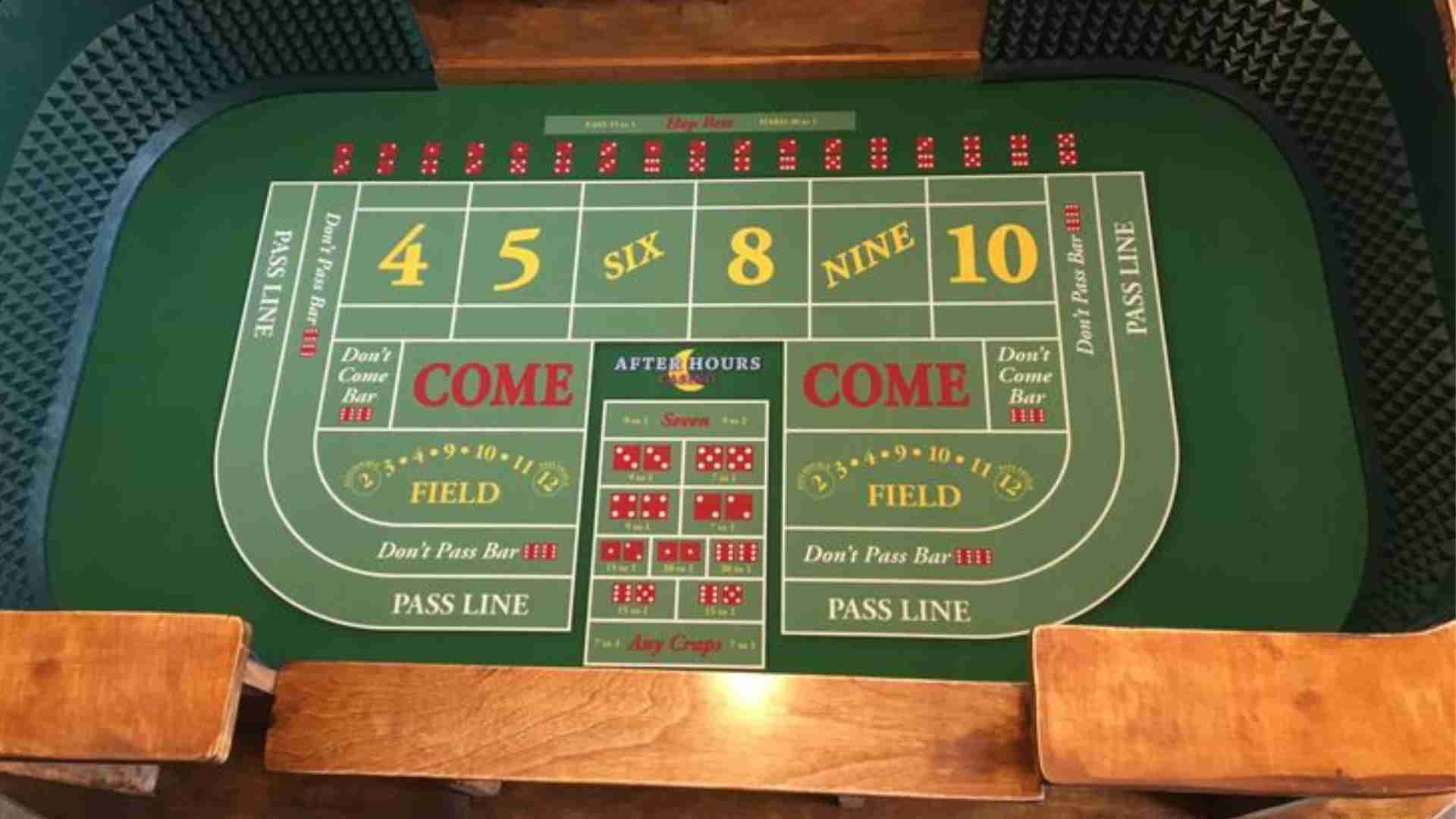
Why Giving Up Early Loot Collectors Helps You Build Safe Trophy Shields
How to Improve Every Match with Smarter Decisions
Achieving consistent victories in competitive sports and strategic gaming requires more than just physical talent or rapid reflexes. While raw skill can secure occasional wins, long-term mastery is built on a foundation of calculated choices and situational adaptability. Developing a methodical decision-making process is the most effective way to elevate your performance across every round of play.
Before executing any tactical play, a competitor must possess a clear understanding of the shifting dynamics around them. Observing your opponent's subtle habits, timing, and positioning provides invaluable data that can be used to predict their next move. This proactive tracking allows you to prepare countermeasures well before a critical situation arises on the field.
Furthermore, evaluating environmental factors and standard structures helps narrow down your optimal paths to success. Making strategic choices based on objective analysis rather than emotional impulse separates elite competitors from average participants. Players seeking to understand strategic placements in structured environments often research top platforms like the m88 mansion indo hub to study high-level tactical layouts.
In high-stakes matches, the margin between winning and losing often depends on how effectively you can balance risk and reward. Experienced players understand that committing too early or overextending resources can lead to quick and devastating defeats. Instead, they focus on mitigating potential threats while waiting for a secure opportunity to capitalize on an opponent's blunder.
This calculated approach requires you to evaluate the probability of success for every action you take in real time. Forcing a difficult move under tight time constraints is rarely as effective as playing defensively to preserve your positioning. By prioritizing resource conservation and steady positioning, you build a sustainable path toward dominating the match.
Maintaining a calm and focused mind is just as crucial to competitive success as having excellent physical mechanics. When adrenaline spikes during critical moments, logical reasoning can easily become clouded by anxiety or frustration. Training yourself to breathe deeply and remain objective helps you make smart choices even when the clock is ticking down.
Emotional stability also prevents you from falling into repetitive patterns that observant rivals can easily counter. By treating setbacks as temporary obstacles rather than absolute failures, you preserve the mental stamina needed for multi-round endurance. Cultivating a resilient mindset ensures that your tactical execution remains sharp from the opening whistle to the final seconds.
True growth as a competitor happens long after the match has concluded and the scores have been finalized. Conducting a structured post-game analysis allows you to pinpoint specific decision-making errors that occurred during intense moments. Reviewing recorded footage or tracing your tactical path helps you convert complex in-game situations into valuable learning experiences.
By identifying hidden gaps in your preparation, you can continuously refine your overall strategic roadmap for future challenges. Consistently repeating this loop of analysis, preparation, and self-reflection is the ultimate formula for sustainable growth. Over time, these small adjustments accumulate, enabling you to step into every match with supreme confidence and smarter tactics.
Wheel of Fortune Challenges That Reward Creative Solutions
Many traditional word puzzle enthusiasts rely solely on standard spelling conventions and basic alphabetical lists. However, advanced configurations often feature uncommon sentence structures and clever wordplay that defy normal expectations. Approaching these layouts with lateral thinking allows you to identify hidden patterns before your competitors can react.
Players who master these creative pathways can unlock unexpected solutions that turn a struggling turn into a massive victory. Cultivating this mental agility helps you look beyond obvious consonants and anticipate how unique syllables fit together. Over time, this flexible mindset transforms a game of pure chance into an engaging showcase of intellectual skill.
Stepping up to the wheel is not just about vocabulary; it also requires a disciplined approach to bankroll management. Knowing when to purchase helpful vowels or when to pass the turn is crucial to preserving your hard-earned points. Making smart, calculated decisions under pressure ensures that you remain competitive throughout the entire match.
For those looking to test their tactical skills across different interactive environments, finding the right digital platform is a great starting point. Many experienced gamers enjoy exploring the diverse features of the m88 mansion indo platform to refine their focus and decision-making speed. Engaging with varied formats helps you understand how slight changes in game mechanics can influence your overall success.
No two rounds on the puzzle board are ever identical, requiring players to constantly adapt their strategies in real-time. A sudden bankrupt spin or a competitor's lucky guess can instantly shift the entire momentum of the game. Developing a resilient mindset allows you to recover quickly from unexpected setbacks and maintain your focus.
By treating each spin as an independent tactical challenge, you can make more deliberate choices that minimize unforced errors. Focusing on common letter frequencies while keeping an eye on remaining spaces gives you a distinct analytical advantage. Ultimately, the players who remain calm and creatively adjust their tactics are the ones who consistently claim the top rewards.
Achieving consistent results in high-pressure puzzle environments requires regular practice and structured mental conditioning. Analyzing your previous performances helps identify common mistakes and areas where your decision-making can be improved. Over time, these small adjustments build a highly robust framework for tackling even the most complex word challenges.
By studying how experienced players navigate difficult wedges and unexpected board layouts, you can expand your own tactical repertoire. Embracing a continuous learning process ensures that your gameplay remains sharp, engaging, and deeply rewarding. Ultimately, combining a strong vocabulary with creative problem-solving skills is the ultimate key to mastering the wheel.
Developing Strong Poker Habits
Developing strong poker habits is the ultimate foundation for turning a casual hobby into a consistently profitable endeavor. While understanding the basic rules of the game is simple, mastering the discipline required to execute them under pressure takes time and deliberate practice. By focusing on structured routines, players can systematically eliminate costly mistakes and build a highly resilient mental game.
Before sitting down at the virtual or physical tables, elite players prepare their minds just like professional athletes. A dedicated warm-up routine helps clear external distractions and transition your focus entirely toward strategic decision-making. Taking just ten minutes to review recent hands or outline your session goals can drastically reduce the likelihood of making emotional plays.
Consistency in your pre-game preparation fosters a calm and analytical mindset from the very first hand dealt. This mental readiness ensures you are not caught off guard by aggressive opponents or early setbacks. Over time, these small preparatory steps compound into a powerful habit of professional focus.
True improvement in card games occurs away from the felt through rigorous self-reflection and objective data review. Developing the habit of analyzing both your winning and losing hands allows you to identify underlying patterns in your play. Without this regular feedback loop, many players find themselves repeating the same tactical errors indefinitely.
During these review sessions, it is vital to focus on the quality of your decisions rather than the short-term financial outcomes. Evaluating whether you executed your strategy correctly helps reinforce positive behaviors and builds long-term confidence. Committing to this practice ensures that every session played serves as a valuable learning experience.
Emotional stability is arguably the most challenging yet rewarding habit a player can cultivate throughout their journey. Accepting that statistical variance will occasionally cause losses despite perfect play is essential for preventing tilt. When you learn to detach your emotions from individual outcomes, your strategic execution remains incredibly steady.
For players seeking to test their mental discipline in highly competitive environments, finding a reliable online space like m88 mansion indo can offer excellent opportunities. Engaging with diverse opponents under structured conditions allows you to practice keeping your emotions in check during high-stakes moments. Ultimately, maintaining a calm demeanor under pressure separates great competitors from average ones.
No amount of technical skill can protect a player from financial ruin without the habit of strict bankroll management. Treating your playing funds as a dedicated business capital prevents temporary downswings from impacting your daily life. Setting clear boundaries on the stakes you play ensures that you can weather natural variance without stress.
A disciplined player always respects their pre-established limits and refuses to chase losses during a difficult session. Staying within your financial comfort zone allows you to make optimal mathematical decisions free from the fear of losing your stack. This structural habit forms the protective shield that keeps you in the game over the long haul.
Mahjong Techniques That Encourage Consistency
Mahjong is a game where short-term luck can often obscure the value of long-term skill and strategy. While anyone can win a single hand by drawing the perfect tile, maintaining a high win rate across many sessions requires a methodical approach to decision-making. Developing reliable, repeatable habits at the table is the ultimate key to achieving steady progress and avoiding major downswings.
One of the most effective ways to stabilize your performance is by utilizing the five-block theory during the early stages of a round. This mathematical framework suggests that since a winning hand consists of four sets and one pair, you should identify and protect five distinct tile groups as early as possible. By organizing your hand into these structural blocks, you can easily determine which floating tiles are redundant and can be safely discarded.
Applying this method systematically reduces the guesswork associated with mid-game transitions. It allows players to maintain maximum tile efficiency and progress toward a ready state with fewer unnecessary moves. Over time, training your mind to see your hand through this structured lens builds incredible tactical stability.
Consistent players always weigh the speed of their hand development against its potential scoring value before making aggressive plays. If your initial deal is far from completion, it is often wiser to play defensively rather than rushing to claim open discards. Exposing your hand too early reduces your flexibility and makes your strategy highly predictable to everyone else at the table.
Conversely, when you hold a fast, high-value hand, you should prioritize speed to pressure your opponents into a defensive posture. Learning to accurately read the room and adjust your tempo based on your starting tiles prevents costly mistakes. Players looking for resources to test their strategic decision-making often visit platforms like m88 mansion indo to refine their analytical skills in various competitive setups.
In Mahjong, minimizing your losses during difficult rounds is just as important as maximizing your points when you have a winning hand. A hallmarks of an expert player is knowing when to completely abandon an offensive strategy in favor of total defense. This transition typically involves tracking safe tiles that have already been discarded by opponents who are close to declaring a victory.
Holding onto safe defensive tiles ensures that you do not accidentally deal into a high-scoring hand. This disciplined approach drastically lowers your overall point losses across multiple tournament matches. Balancing your natural offensive drive with calculated risk avoidance is what ultimately separates volatile players from steady winners.
Building consistency at the live table starts with focused practice routines that you can perform on your own. Spending ten minutes a day sorting physical tiles or simulating starting hands helps train your brain to recognize patterns instantly. These isolated drills build strong muscle memory and reduce decision fatigue when you finally sit down for a real game night.
Reviewing your past decisions after a match also provides invaluable insights into your personal habits and recurring errors. By identifying the exact moments where you prioritized sentiment over mathematical probability, you can make targeted adjustments. Treating each session as a learning opportunity ensures that your overall technical proficiency steadily improves over time.
Learn Better Ways to Analyze Every Move
In both competitive sports and daily business operations, the ability to dissect and understand every single action is what separates average performers from industry leaders. Developing a structured approach to evaluation helps you identify hidden patterns and anticipate future challenges before they arrive. This guide explores practical methods to enhance your observational skills and make highly informed decisions based on deliberate analysis.
To begin analyzing effectively, you must learn to look past surface-level actions and focus on the underlying mechanics of a situation. This requires breaking down complex sequences into smaller, measurable components that can be studied individually. By shifting your mindset from reactive observation to active evaluation, you can identify the subtle cues that dictate successful outcomes.
Slowing down your decision-making process is another critical step in developing superior analytical capabilities. Giving yourself the time to weigh multiple variables prevents impulsive errors and leads to more consistent results over time. With practice, this deliberate pacing becomes a natural habit that elevates your overall strategic thinking.
Using a standardized framework is one of the most reliable ways to maintain objectivity during your assessments. A popular approach involves examining the participants, the environment, and the specific objects or systems involved in any given scenario. This structured review ensures you never overlook critical details that might influence the final outcome.
Maintaining an accurate log of your observations allows you to track progress and identify long-term behavioral trends. Comparing past performances against current data helps you refine your strategy and adjust to changing conditions. Many analytical enthusiasts use platforms like m88 mansion indo to study strategic patterns and improve their predictive skills in competitive environments.
Recognizing recurring sequences is a powerful skill that enables you to predict an opponent's or competitor's next step with high accuracy. Most strategic scenarios follow established playbooks, and identifying these habits early gives you a significant tactical advantage. By studying historical data, you can train your brain to spot these setups almost instantly.
It is equally important to remain flexible and prepare for unexpected deviations from standard patterns. Having a robust contingency plan ensures you can adapt quickly when a situation changes rapidly. Cultivating this mental agility is what transforms a basic observer into a master strategist.
The final step in mastering evaluation is establishing clear key performance indicators to measure the success of your decisions. Analyzing the results of your choices provides immediate feedback on whether your initial assessments were accurate. This continuous loop of action, analysis, and refinement is essential for sustained personal and professional growth.
Consistently seeking constructive feedback from external sources can also offer fresh perspectives on your strategic habits. Other observers can often point out blind spots that you might have missed during your own evaluations. Embracing this collaborative approach ensures your analytical methods remain sharp, objective, and highly effective.
Winning Through Smart Decisions in Table Games
Stepping up to a table game requires more than just hoping for a lucky turn of the cards or a favorable roll of the dice. True success in this competitive arena relies on a player's ability to make calculated choices under pressure. By shifting your focus from pure chance to deliberate planning, you can significantly improve your odds and enjoy a much more rewarding experience.
Every classic table game is built on a foundation of mathematical rules and distinct probabilities. Understanding these core numbers allows players to identify which moves offer the highest statistical chance of success. Relying on verified strategies rather than emotional hunches is the first step toward consistent performance.
For instance, blackjack players who memorize basic strategy charts can systematically reduce the built-in advantage of the house. For those looking to practice their analytical skills on a secure digital platform, visiting m88 mansion indo offers an excellent space to explore various options. Taking the time to study these mathematical variables turns guessing games into calculated decisions.
Even the most sophisticated strategy can fail if a player does not manage their funds with strict discipline. Establishing a clear session budget before you begin playing ensures that you stay in control of your session. This practice prevents the common pitfall of chasing losses when the cards do not fall in your favor.
Experienced players often divide their total bankroll into smaller, manageable units for each individual round. This structured approach prolongs your playtime and gives you more opportunities to capitalize on favorable trends. Treating your gaming funds as an entertainment expense keeps the pressure low and your focus sharp.
Maintaining emotional control is a vital yet frequently overlooked aspect of mastering tabletop challenges. It is easy to fall victim to common cognitive biases, such as believing a specific outcome is due simply because it has not occurred in a while. Recognizing these mental traps allows you to make objective decisions based on current reality rather than superstition.
Taking regular breaks during long sessions helps keep your mind clear and prevents fatigue from clouding your judgment. When you remain calm and composed, you are far more likely to spot subtle patterns and execute your plan effectively. Ultimately, the smartest decision you can make at any table is knowing exactly when to walk away with your winnings.
Wheel Games with Endless Gameplay Possibilities
The landscape of digital entertainment has evolved dramatically, introducing players to highly interactive environments that offer immense variety. Among these innovations, wheel games have emerged as a prominent genre due to their engaging mechanics and diverse configuration options. By moving beyond traditional designs, modern adaptations provide dynamic systems that adapt to varying player choices and gameplay preferences.
Traditional spinning wheels generally relied on single-tier outcomes with a static list of rewards. In contrast, contemporary digital interfaces utilize multi-layered systems where one successful spin can trigger secondary bonus rounds or multiplier mechanics. This multi-tiered structural design adds layers of complexity, ensuring that no two sessions feel identical for the participant.
Furthermore, developers are continuously incorporating real-time mathematical adjustments to modify volatility and reward distributions. Players can explore highly tailored setups, choosing between high-frequency smaller milestones or rare, impactful outcomes. This high level of customization empowers users to control their gaming style according to personal strategic goals.
The cornerstone of flexibility in modern digital wheel games is the implementation of sophisticated algorithmic fair systems. Advanced random number generators allow developers to introduce complex variable elements that would be physically impossible on mechanical layouts. These digital systems guarantee completely independent results while simultaneously managing intricate game states dynamically.
For enthusiasts seeking seamless connectivity, modern applications optimize these mathematical models for handheld devices. Accessing responsive platforms via an m88 link mobile enables participants to experience stable, high-definition gameplay on the go. This technological framework ensures that data processing remains fluid and reliable across diverse network connections.
Another factor expanding the scope of wheel games is the successful integration of thematic storytelling and cinematic visuals. Instead of presenting simple abstract segments, modern variants wrap the core mechanics inside narratives ranging from historical mythology to popular sports culture. This rich context drives higher emotional engagement and encourages players to explore different variations.
Additionally, the introduction of live-streamed hosts and community interaction features has turned individual activities into collective social entertainment hubs. Players can interact with peers globally while participating in synchronized live events that unfold in real time. This combination of community building and interactive features sets a new benchmark for modern entertainment industries.
Looking ahead, the development of wheel games will likely be influenced by augmented reality and artificial intelligence. AI models can analyze individual interaction styles to offer customized visual layouts, adaptive audio cues, and uniquely tailored optional challenges. These upcoming milestones will push the boundaries of replayability even further within the global sector.
By prioritizing cryptographic transparency and player-centric design, developers are building sustainable environments built on trust. As technology progresses, the continuous balance of tradition and digital innovation ensures that spinner concepts will remain highly relevant. The future promises even more open-ended formats, solidifying this genre as a versatile staple of digital leisure.

Live Casino Gaming That Inspires Interactive Play
The digital entertainment landscape has experienced a major shift as players look for more interactive and genuine ways to enjoy classic table games. Live casino gaming successfully delivers this engagement by blending the comfort of home play with the excitement of real-time dealers and physical table action. This modern approach to digital gambling has transformed casual leisure into an active, social experience.
At the heart of this evolution is sophisticated streaming technology that broadcasts professional croupiers directly from specialized studios. Advanced optical camera setups and digital overlays allow participants to place bets and make decisions instantly. This seamless integration ensures complete transparency, making players feel like they are sitting right at a physical casino table.
Furthermore, high-definition video feeds keep the action fast-paced and visually engaging for everyone involved. Real-time chat functions allow players to communicate directly with the dealers, fostering a community spirit. By replacing cold algorithms with genuine human interaction, these platforms create a much friendlier environment.
Classic games like blackjack, roulette, and baccarat have been revitalized through these interactive platforms. Instead of relying on basic computer-generated graphics, players watch real cards being shuffled and physical wheels being spun. This transparency builds immense trust and keeps players deeply focused on the natural flow of each round.
Many modern platforms also offer unique game variations with multiplier options and interactive bonus rounds. These features encourage players to think strategically and stay actively involved throughout their sessions. The added layers of decision-making elevate the suspense and make every win feel much more rewarding.
Modern players demand flexibility, which has led developers to optimize live streaming games for multiple screen sizes. Whether you prefer playing on a large desktop monitor or a portable smartphone, the interactive features remain fully functional. Finding a reliable m88 link mobile makes it incredibly easy to access high-quality tables on the go.
Intuitive user interfaces ensure that placing bets on smaller touchscreens is just as simple as using a mouse. This convenience has attracted a broader demographic of players who enjoy quick sessions during their daily routines. As long as you have a stable connection, the virtual casino floor is always within reach.
As streaming technology continues to advance, we can expect even more immersive features to emerge in the near future. Virtual reality and augmented reality are slowly starting to merge with live dealer formats, promising unmatched realism. These innovations will continue to push the boundaries of how we connect and play online.
Ultimately, the popularity of live dealer platforms stems from their ability to fulfill our natural desire for social connection. By combining cutting-edge technology with traditional hospitality, developers have created a sustainable entertainment model. The future of online gaming lies in these shared, real-time experiences.
Board Games That Build Analytical Skills
Tabletop gaming has transformed significantly from a casual past time into a powerful tool for intellectual growth. Modern game designs frequently challenge individuals to process multiple variables, anticipate opponent behaviors, and execute complex long-term strategies. By engaging regularly in these structured activities, players can substantially sharpen their cognitive faculties and real-world problem-solving methods.
Many modern strategic board games rely heavily on intricate systems like resource management, spatial positioning, and statistical probability. To succeed, participants must carefully weigh the immediate costs against the future benefits of every single decision they make on the table. This continuous evaluation naturally strengthens deductive reasoning and encourages a highly organized mindset over time.
Furthermore, these mechanical frameworks force individuals to look at problems from diverse angles rather than relying on standard routines. Adapting to unpredictable shifts on the board ensures that players practice flexible thinking under realistic constraints. Consequently, the regular mental workout provided by these tabletop systems supports long-term mental sharpness and analytical growth.
A crucial aspect of building advanced logic skills is learning how to calculate probabilities and manage risk effectively. Board games offer a safe environment where individuals can experiment with different high-stakes variables without facing real-world financial or professional consequences. Over time, this experimentation helps players identify patterns and predict potential outcomes with much greater accuracy.
For those interested in exploring modern strategic concepts across digital mediums, utilizing a reliable platform like the m88 link mobile can provide practical examples of probability in action. Engaging with various tactical formats helps individuals refine their personal metrics for assessing risk and reward. Ultimately, mastering these internal systems translates directly into sharper analytical decision-making in everyday life scenarios.
Beyond numbers and mechanics, many advanced board games require players to evaluate the hidden motives and behavioral patterns of their opponents. Asymmetrical setups and hidden information games force participants to read subtle social cues and guess what strategy someone else might execute next. This specific requirement builds a strong foundation for psychological insight and strategic empathy.
Recognizing the logical patterns behind an opponent's choices allows analytical thinkers to counter competitive moves before they even happen. This sophisticated level of interaction keeps the human mind highly engaged and focused on multi-layered strategic depth. As a result, tabletop gaming serves as a comprehensive social gym for building both intellectual and emotional intelligence.
Building a well-rounded game collection that specifically targets analytical improvement requires looking for designs with minimal luck elements. Heavy economic simulations, tile-placement puzzles, and complex worker placement games offer the ideal balance for intense cognitive exercise. These specific genres ensure that the most logical planner at the table consistently earns the victory.
Regularly introducing new mechanics to your gaming group also keeps the brain challenged and prevents cognitive stagnation. Experiencing fresh rulebooks forces the mind to build brand new analytical frameworks to solve unique structural puzzles. Investing in high-quality strategy games guarantees a lifetime of rewarding intellectual engagement and social connection.
Practical Advice for Every Number Game Player
Engaging with number-based puzzles provides an excellent way to maintain cognitive flexibility and build sharp problem-solving routines. For players looking to move from casual guessing to consistent success, implementing a structured tactical approach can make a remarkable difference. Embracing a methodical process transforms frustrating layout configurations into highly rewarding mental milestones.
The most important foundation for any numerical grid challenge is learning how to efficiently rule out impossible choices early on. Instead of looking at an entire board simultaneously, try focusing on the most restricted rows or overlapping sections first. This targeted perspective immediately reduces potential options and prevents your brain from becoming overwhelmed by excessive data points.
Many advanced players recommend documenting your observations directly onto the layout matrix through small notations or temporary pencil marks. Keeping track of variable constraints allows you to visualize potential combinations without taxing your immediate working memory. Over time, practicing systematic reduction turns complex deductive logic into a fast, automatic reflex.
While many digital puzzle platforms include ticking timers to test player endurance, rushing through placement decisions often leads to avoidable arithmetic errors. Cultivating a calm environment allows your prefrontal cortex to thoroughly calculate subsequent outcomes before you commit to a single practical move. Prioritizing layout precision over quick progression naturally improves your velocity over a sustained period of time.
If you encounter a highly complicated sequence block, it is beneficial to step back and deliberately analyze the broader structural boundaries. Modern web tools and dedicated communities are highly effective for uncovering helpful tips regarding game variations and modern interfaces. Utilizing resources like the m88 link mobile application can offer seamless accessibility to diverse mental challenges while allowing you to comfortably track your developmental milestones.
Improving your deduction skills requires a consistent commitment to analyzing both successful outcomes and past strategic missteps. Reviewing a completed puzzle format helps you understand exactly how specific rule parameters interacted to create the solution pathway. This reflective practice significantly expands your core pattern recognition capabilities for future encounters.
Ultimately, the journey toward mastering numerical puzzles should be viewed as an enjoyable routine for long-term intellectual growth. Dedicating just a few minutes each day to structured mathematical exercises helps stimulate brain regions responsible for logic and sequential processing. Celebrating small procedural improvements ensures you stay highly motivated as you tackle increasingly advanced configurations.
Semua artikel sudah ditampilkan.